England
£20,000+
3 weeks
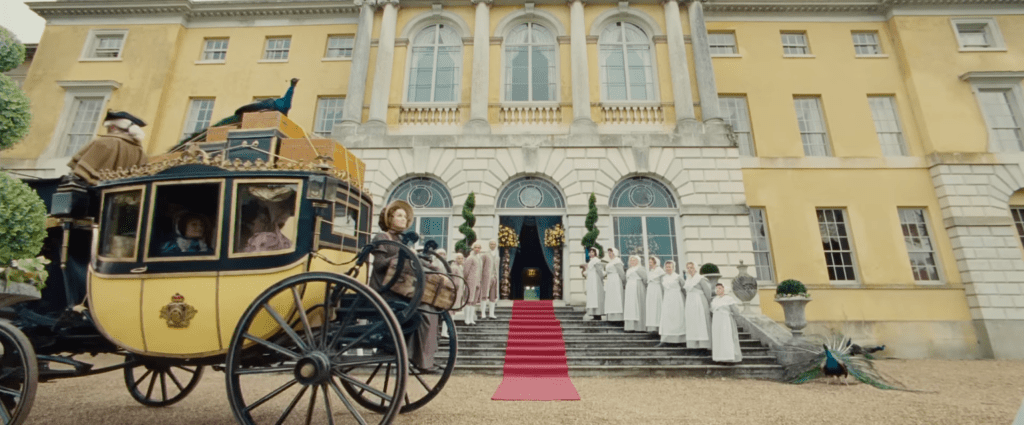
Austenland is an immersive experience where guests role play as the heroine of their “very own Jane Austen story”. For three weeks, they enjoy Regency-era pastimes like sewing, whist, and horseback riding at a large manor house, while surrounded by professional actors playing potential romantic interests. Each stay concludes with a grand ball in which a “happily ever after” ending is guaranteed.
It wasn’t possible for me to participate as a guest, but when I learned that a documentary was being filmed at Austenland, I prevailed upon proprietor Mrs. Wattlesbrook to allow me to tag along and observe; apparently she hoped for a good writeup.
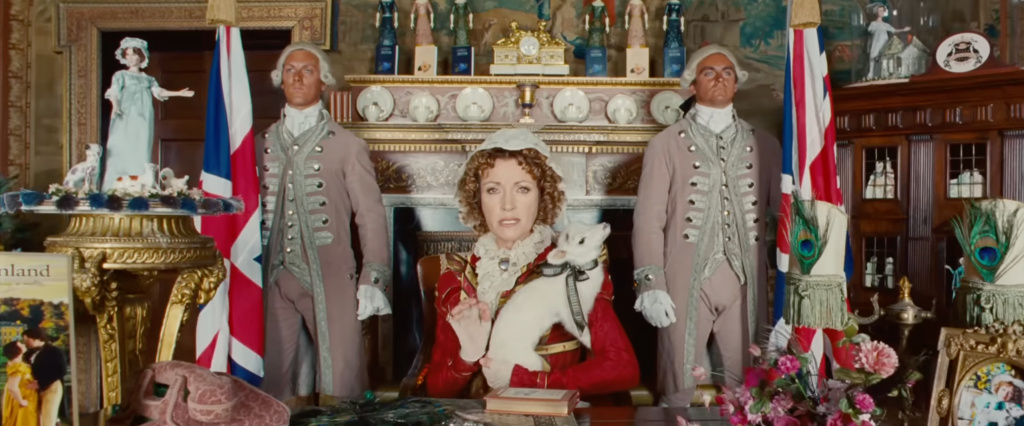
I first became aware of Austenland from its international marketing campaign, which highlights its sumptuous setting and costumes and vast number of performers. Smartly, it’s laser-targeted at a specific kind of guest – not “the casual Jane Austen fan”, as Mrs. Wattlesbrook puts it, but the “aficionado” who admires the style and manners of the Regency era and has “consuming love for Mr. Darcy”.
This is essential because though Austenland is not, as it claims, “the world’s only immersive Austen experience”, it is by far one of the most expensive immersive experiences in existence. The company refused to share full pricing details but one guest I spoke to said they spent their “entire life savings” to attend, leading me to estimate it’s at least £20,000 (i.e. around $30,000).
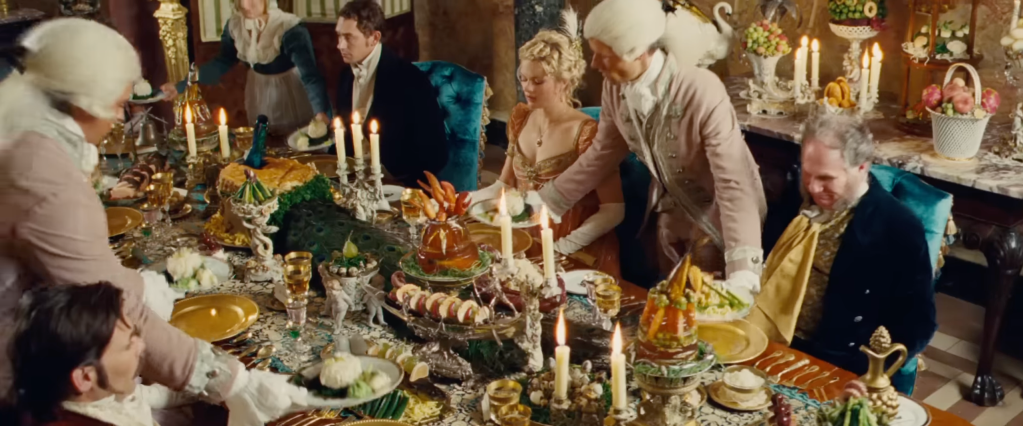
Far be it from me to justify their pricing, but given the manor has several professional actors on hand, dozens of staff, and activities including enormous feasts, private theatricals, and costumed balls, the cost starts making more sense – especially given that during my visit, I saw only three guests. Indeed, the per-night cost of around £1000 compares favourably to Disney’s Star Wars: Galactic Starcruiser, which lands around double that figure.
Then again, some guests pay much more. Austenland operates a highly stratified pricing model, starting at the £20,000 Basic Copper package and rising to Platinum Elite, which I’m guessing closes in on six figures (shades of the K-shaped economy). Some of the differences are obvious: Copper guests are excluded from a few activities and are given smaller bedrooms in a less salubrious wing of the manor.
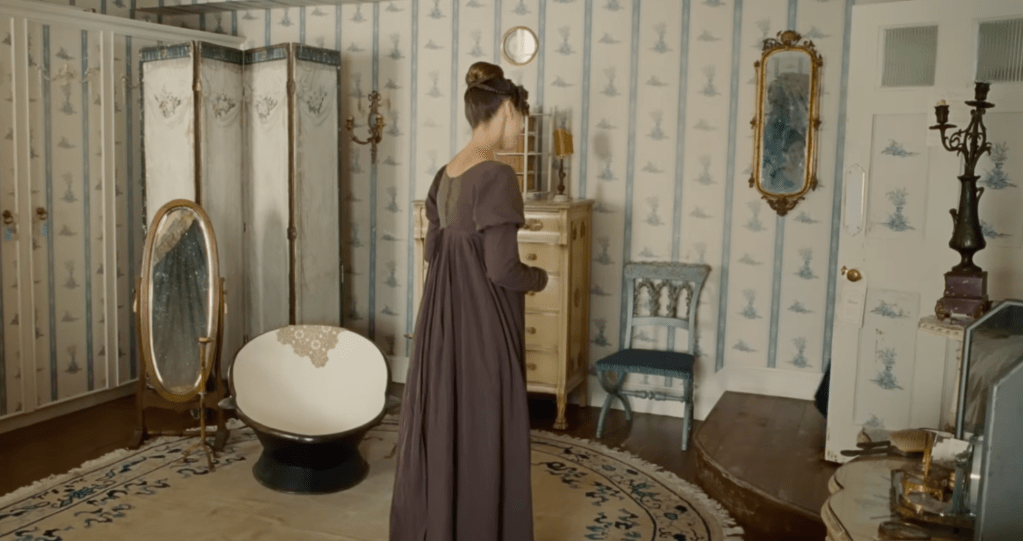
Others are more subtle. Unlike larps where players create their own characters, Austenland betrays its Finnish larp design tendencies by assigning each guest a character name (e.g. Miss Elizabeth Charming, Miss Jane Erstwhile, etc.), complete with backstory and relationships. Where Platinum guests play rich heiresses, a Copper guest might be “an orphan of no fortune”. As any larper knows, this is not necessarily a recipe for disappointment; orphans can have agency and adventure, too. However, the classist and choreographed world of Austenland makes this rather harder.
Nevertheless, all guests are guaranteed romance with an actor. Supposedly no touching is allowed “other than the necessary social graces” such as during dances, but it is probably not surprising that I saw all three guests pulverising the rule multiple times. Clearly it’s hard to deny paying customers.
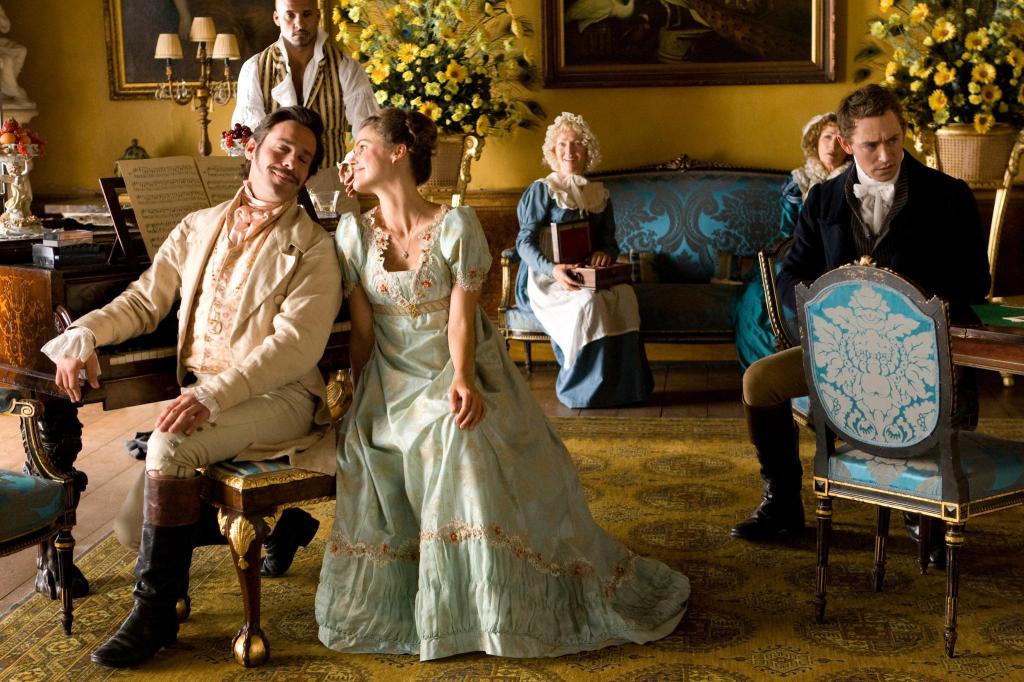
Guests are required to stay in character and maintain appropriate manners and conversation during their stay. Crucially, all technology including phones is banned. While this, along with the period hair styles, costumes, and horse-drawn carriages, is framed as a way to preserve guests’ “complete immersion in the Regency era”, phone bans are in keeping with a wider trend across immersive experiences and clubs; the idea is to keep guests in the moment by reducing distractions. As soon as you introduce cameras and social media, the theory goes, people start performing not for themselves or one another, but for an unseen audience – or worse, they get self-conscious.
I was dismayed, however, at Austenland’s complete lack of workshops during onboarding. Frequent readers are probably tired of my evangelism for Nordic larp’s practice of mandatory workshops in how to move, talk, and role play – not unlike warmup exercises for stage actors – but Austenland really has no excuse. I can understand why a comparatively brief immersive theatre show might balk at them, but surely a three-week experience can find time to help guests get into character? Early on during my visit, I overheard one guest confess, “I thought I’d come here and be a total pro at this,” but it turned out active role play is very different from passively reading or watching Jane Austen stories. Certainly, teaching guests D&D and larp-style metatechniques to modulate the intensity of encounters, not to mention intimacy replacement actions, would have prevented more than a few mishaps I witnessed.
Absent workshops, Austenland’s hardworking actors bear the brunt of ensuring role play goes smoothly; I’m told they sign six “proper behaviour agreements”. For the most part, I found their performances quite impressive, staying in character persistently despite some guest’s attempts to break them.
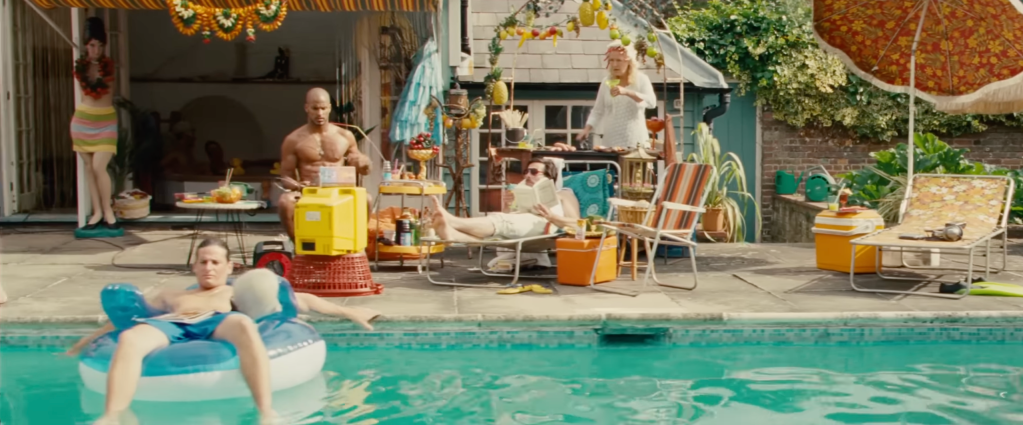
Since the experience is so reliant on them, it’s fitting that they have lots of downtime and their own dedicated pool and barbecue area. I don’t know how much they’re paid, but they certainly have bargaining power given that some guests return specifically for them.
The one exception, unfortunately, was Mrs. Wattlesbrook herself, who plays the lady of the manor. In my experience, it’s very rare for directors or designers to perform in their own productions. Perhaps it can work for well-oiled machines where guests have little agency or if they’re popping in for brief cameos, but usually there’s too much going on that deserves their attention. That’s why, in blockbuster larps and overnight experiences like The Key of Dreams, the main staff are safely ensconced in private “mission control” areas.
Guests struggled to separate her character – which shared her real name, a sure sign of concern – from her real life identity. No doubt Mrs. Wattlesbrook thought this was useful as a way to cement her authority within the fiction, but it meant guests didn’t feel able to push back at things that made them uncomfortable, like rude behaviour. One guest was pressured into playing the piano, which did not go well at all.
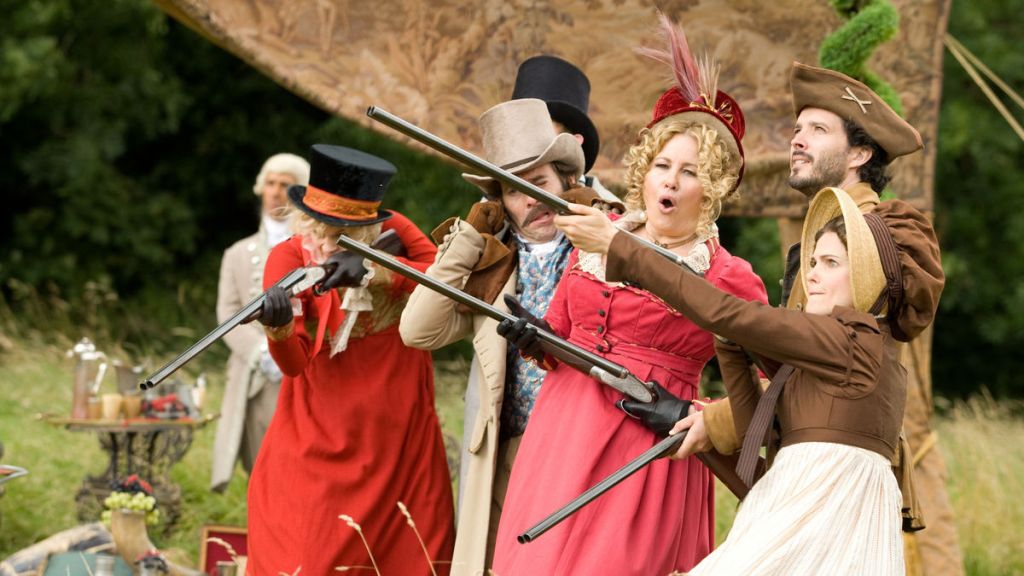
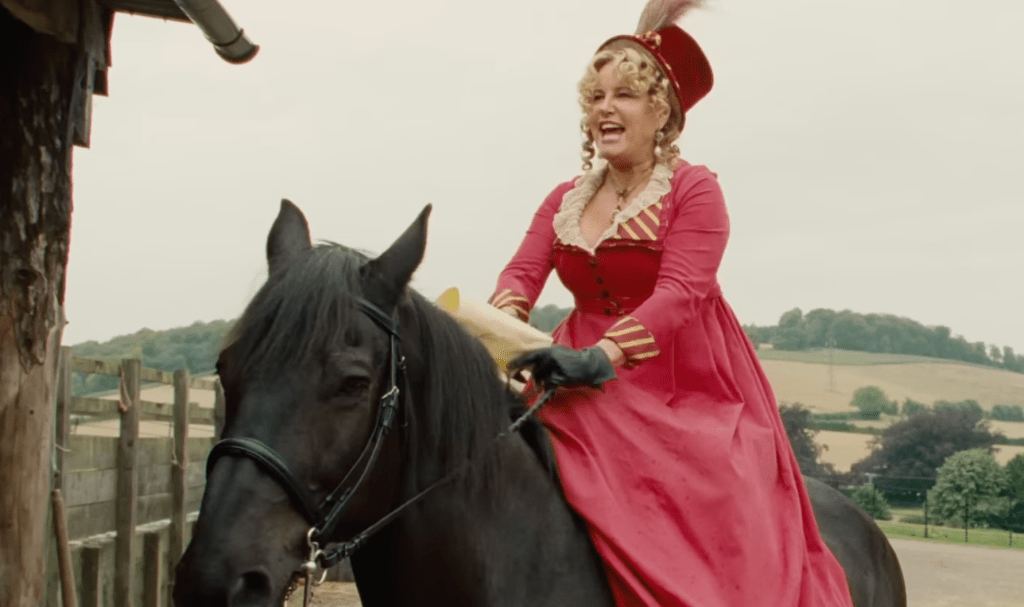
Thankfully, other activities were more pleasant. Horseback riding, whist, sewing, and croquet allowed everyone to get outside and pursue their romances. Some activities were wildly anachronistic, contradicting Austenland’s commitment to historical accuracy – women of this era would never go pheasant shooting – but guests seemed perfectly happy. As sociologists like Edward M. Bruner and Ning Wang (PDF) have noted, tourists are willing to accept “staged authenticity” providing that it’s fun.
Spread out over three weeks, however, even the most die-hard guests tired of sewing, and Austenland lacked the kind of interpersonal dynamics and plotting that could have allowed guests to entertain themselves through deeper role play. This was less of a problem for returning guests who maintained stories and relationships between visits, but it wasn’t until the handsome “Captain George East” from the West Indies arrived halfway through that the drama finally amped up.
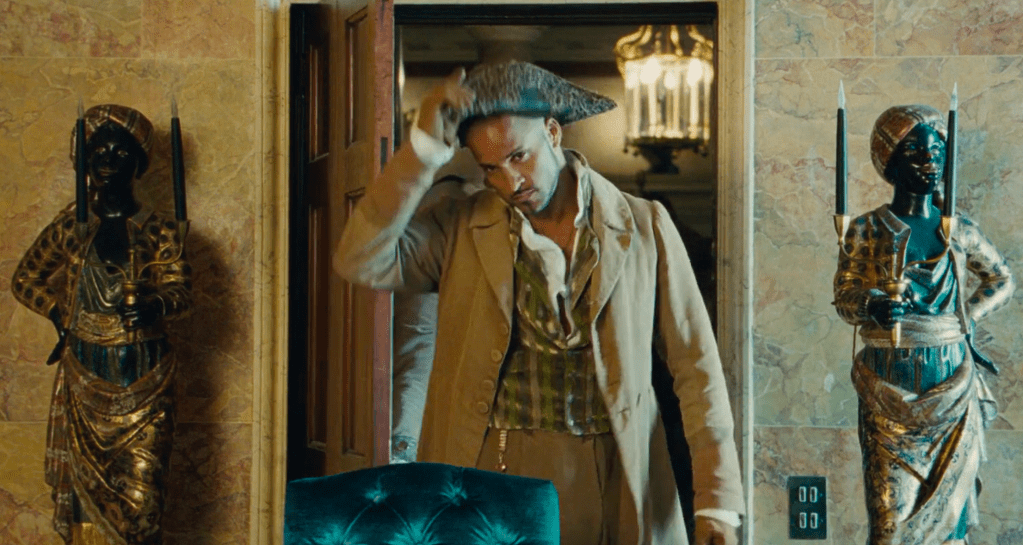
It was also at this point that I noticed one guest, tiring of her pre-written orphan character, proclaim, “I’m going to take charge of my story!” What ensued was a masterclass of co-creation in action: she modified her costumes and seized agency in the story by enlisting another guest, turning herself into the main character of her own story, just as an experienced larper might. In particular, the play-within-a-play private theatrical gave her the alibi to act more adventurously than in real life.
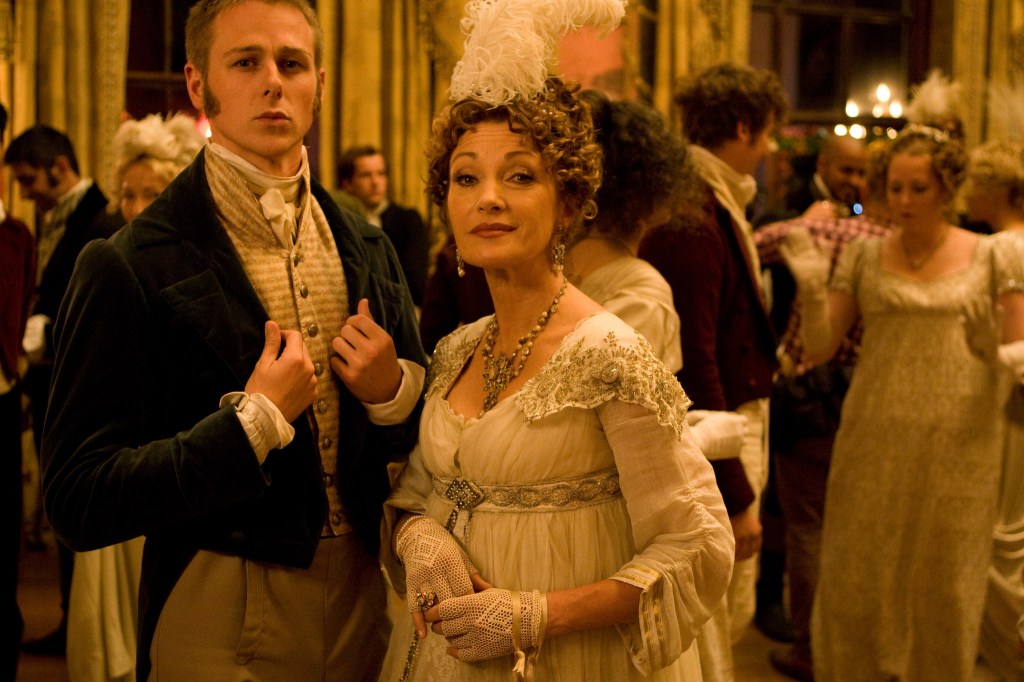
The culmination of Austenland is a spectacular costumed ball with hundreds of attendees. I’m not quite sure how the organisers arranged this – were they all paid extras, or just friends and family coming along for a free party? – but in any case, the three guests were wholly occupied by their assigned romantic partners. In a faintly ridiculous piece of choreography, all three were proposed to simultaneously.
Unfortunately, both Austenland’s guests and staff lacked the vocabulary to talk about these very serious matters. “I don’t know what’s real or what not any more,” was a frequent refrain, along with “don’t you think it’s possible to confuse truth with fantasy?” Well-designed larps that deal with intimacy maintain clear boundaries between in and out-of-game scenes, and usually have extended debriefs to help players come out of character and return to their normal lives. Even Richard Schechner’s environmental theatre in the late 60s had to bring in professional therapists. Not so in Austenland, or, indeed, most modern immersive theatre.
Happily ever after? Not quite. My visit to Austenland concluded with the ball, but I understand one guest felt deceived and manipulated by the organisers. In essence, they thought their romance with a “behind the scenes” staff member was real, when in fact it was scripted from the start. No doubt Mrs. Wattlesbrook would reject these claims since romance was guaranteed upfront, but this guest understandably assumed this would happen very much within the fiction.
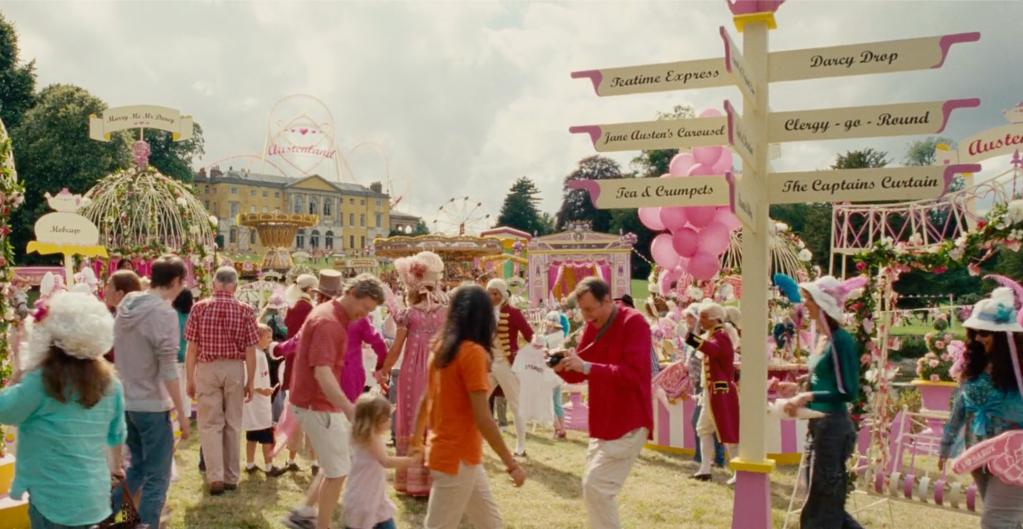
Not along after my visit, Austenland was acquired by a wealthy American superfan. To be honest, its days were numbered no matter what; I had heard rumours of drunken performers and even assaults. Today, the manor is home to a successful, albeit more traditional, theme park, packed with funfair rides, rollercoasters, and shops.
It’s safe and welcoming, but something has been lost, too. Social interaction is no longer at the heart of the new Austenland. A visit there is free of the risks of role play – and their rewards.


 mssv
mssv 